2026: Indian Real Estate Marketing Set for a Human-Led Transformation
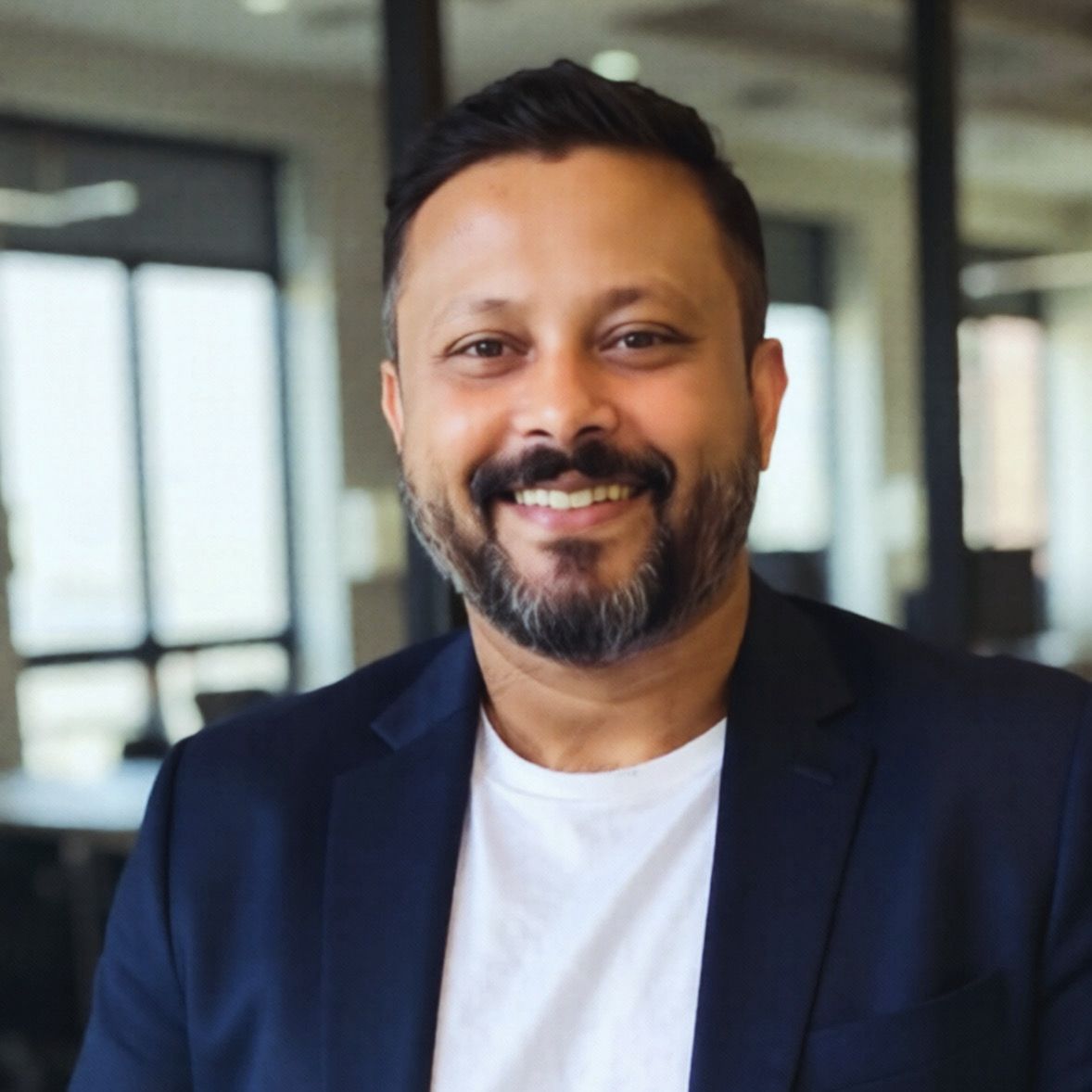
Personalisation, AI, Transparency & Experience-Driven Storytelling to Redefine the Industry, Says Award-Winning Marketer Rupam Dey
Mumbai, India — India’s real estate sector is on the verge of a fundamental transformation, and 2026 is expected to become a defining year for how developers communicate, build trust, and engage with homebuyers. This perspective comes from Rupam Dey, recently honoured as the “Fabulous Marketer 2025–2026” by the World Marketing Congress at Taj Lands End, Mumbai.
With more than a decade of experience shaping marketing strategies for leading real estate developers across India, Dey believes the industry is set to enter its most mature phase — powered not by louder advertising or aggressive selling, but by a more human-centric, emotionally intelligent, and transparent approach to buyer engagement.
> “2026 will be the year real estate marketing grows up,” says Dey.
According to him, today’s homebuyers are better informed, more financially aware, and more emotionally conscious about one of the biggest investments of their lives. They value honesty and clarity more than pushy sales tactics or glamorous campaigns.
> “Buyers don’t want pressure. They want understanding. They want clarity. 2026 will shift Indian real estate marketing from selling projects to understanding people.”
— Rupam Dey
---
AI to Enable Personalised and Respectful Buyer Journeys
While most industries have embraced AI for efficiency, Dey points out that its true value in real estate lies in enabling empathetic and personalised experiences rather than replacing human interaction.
Modern AI tools — including predictive analytics, consumer behaviour intelligence, and hyper-personalized content engines — will allow developers to:
Understand buyer intent and emotional readiness
Respect research and decision timelines
Tailor content to needs rather than bombarding with offers
Increase retention through meaningful follow-ups rather than generic messaging
Dey stresses that AI should function as an enabler of emotional connection, not a substitute for it. Authentic human interaction, supported by intelligent technology, will redefine the customer journey.
---
Experience-Led Storytelling to Outperform Traditional Advertising
The future of real estate marketing is shifting from monologue-style messaging to experience-driven, immersive storytelling, where real people and real experiences matter more than glossy brochures.
The industry is already witnessing a rise in:
Virtual tours that offer a life-like preview of future homes
Authentic community stories showcasing real residents instead of models
Transparent amenity showcases without exaggerated claims
Customer-led reviews and narratives that drive trust
Micro-content and project-level storytelling, tailored to different buyer segments
Emotion-based brand building rather than hyper-sales-driven campaigns
> “People trust experiences, not claims.”
— Rupam Dey
This shift indicates a future where brand honesty and lived experiences become the real competitive advantage.
Transparency & Clean Marketing Will Be Non-Negotiable
One of the most significant changes shaping 2026, Dey notes, is the demand for radical transparency. With increasing digital scrutiny, legal reforms, and consumer vigilance, exaggerated numbers and ambiguous claims will quickly become obsolete.
Buyers now demand:
Verified data
Realistic project timelines
Documented proof of delivery standards
Clear pricing with no hidden charges
Honest communication across touchpoints
Developers who uphold transparency will gain long-term loyalty, while those who rely on manipulation will struggle to survive in a maturing market.
Hyperlocal Marketing to Replace One-Size-Fits-All Campaigns
Indian real estate is becoming hyper-segment driven, with micro-markets across cities such as Mumbai, Pune, Gurugram, Noida, and Hyderabad showing distinct behavioural patterns. A single campaign strategy no longer fits diverse buyer personas.
As Dey explains:
> “A Worli buyer is not a Kandivali buyer. Hyperlocal content will define successful marketing in 2026.”
Localized storytelling, cultural context, income-group segmentation, and neighbourhood-specific insights will form the foundation of strategic market penetration.
Sales & Marketing Finally Converge
Dey also predicts the end of the historical divide between sales and marketing teams. Instead, businesses will move toward a unified ecosystem built on:
Real-time feedback loops
Integrated customer experience systems
Shared performance intelligence
Collaborative conversion strategies
With data-driven decision making and joint accountability models, the industry will move from disjointed processes to seamless buyer journeys.
A More Mature, Human-Centered Real Estate Market Ahead
As the sector steps into 2026, Dey envisions a new era where real estate brands value empathy, storytelling, transparency, integrity, and experience above aggressive sales numbers.
About Rupam Dey
Rupam Dey is an accomplished real estate marketing strategist known for driving brand transformation, digital innovation, and experience-led storytelling for leading Indian developers. His work has contributed significantly to building trusted real estate brands across major metros. He was recently honoured with the “Fabulous Marketer 2025–2026” award by the World Marketing Congress, recognising excellence in marketing leadership and industry impact.
For more information visit here : https://www.linkedin.com/in/rupam-dey-31b66113?utm_source=share_via&utm_content=profile&utm_medium=member_ios